

ECONOMICS
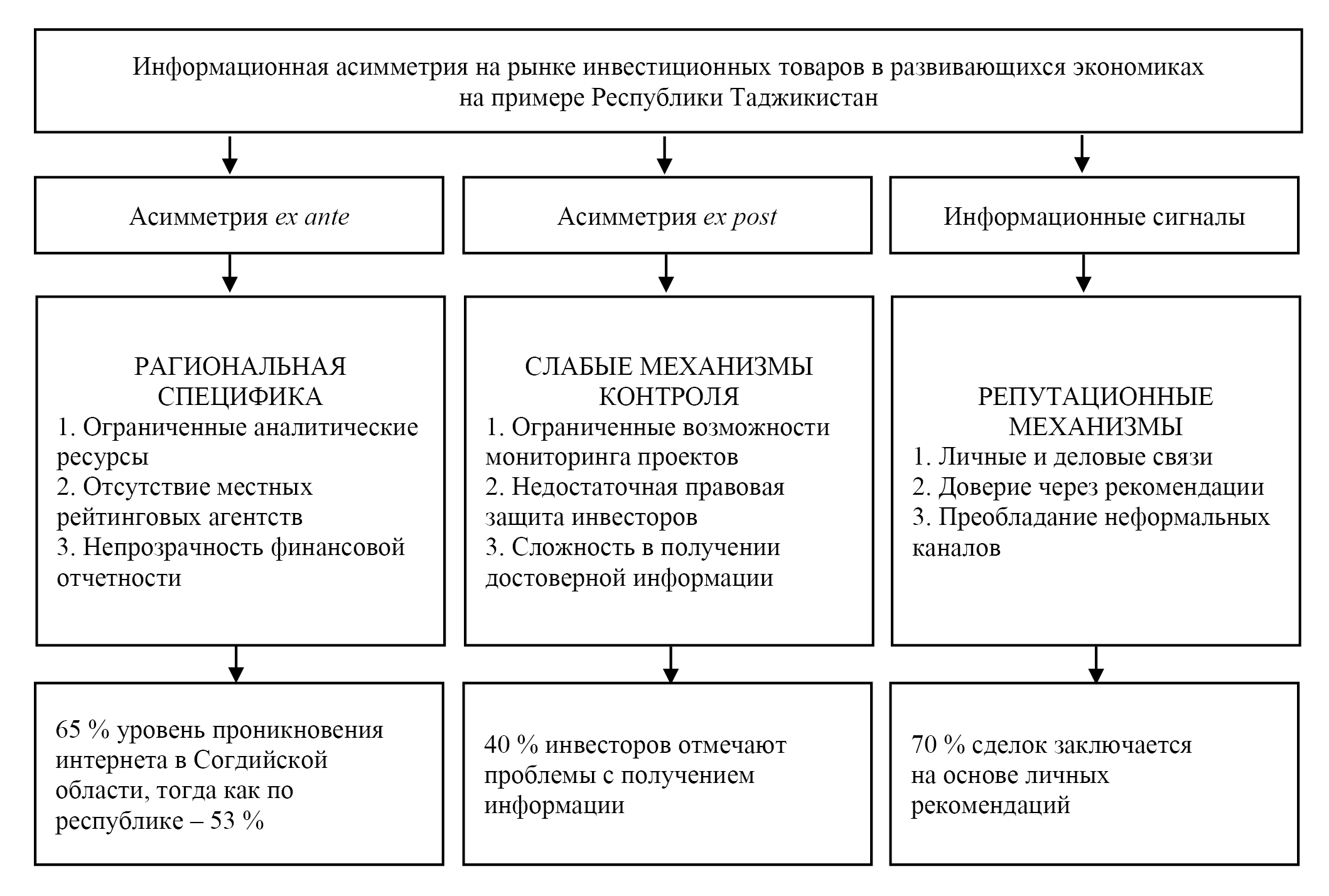
The article is devoted to the analysis of information asymmetry in the investment goods market in emerging markets. The aim of the work is to systematize theoretical approaches to information asymmetry and develop practical mechanisms for its minimization. The methodological framework is based on the principles of neo-institutional economic theory with the application of econometric modeling, comparative and systematic analysis. The empirical base includes statistical data from the Sughd Region of the Republic of Tajikistan. The scientific novelty lies in the development of a composite information asymmetry index and the creation of an adapted model for developing markets. The major results include a quantitative assessment of economic losses from information asymmetry, which constitute a significant share of foreign direct investment volumes, and the construction of an econometric model of asymmetry determinants. It is revealed that digitalization is the most significant factor in reducing information asymmetry. The practical significance consists in developing recommendations for creating a digital investment information platform and implementing information transparency standards.
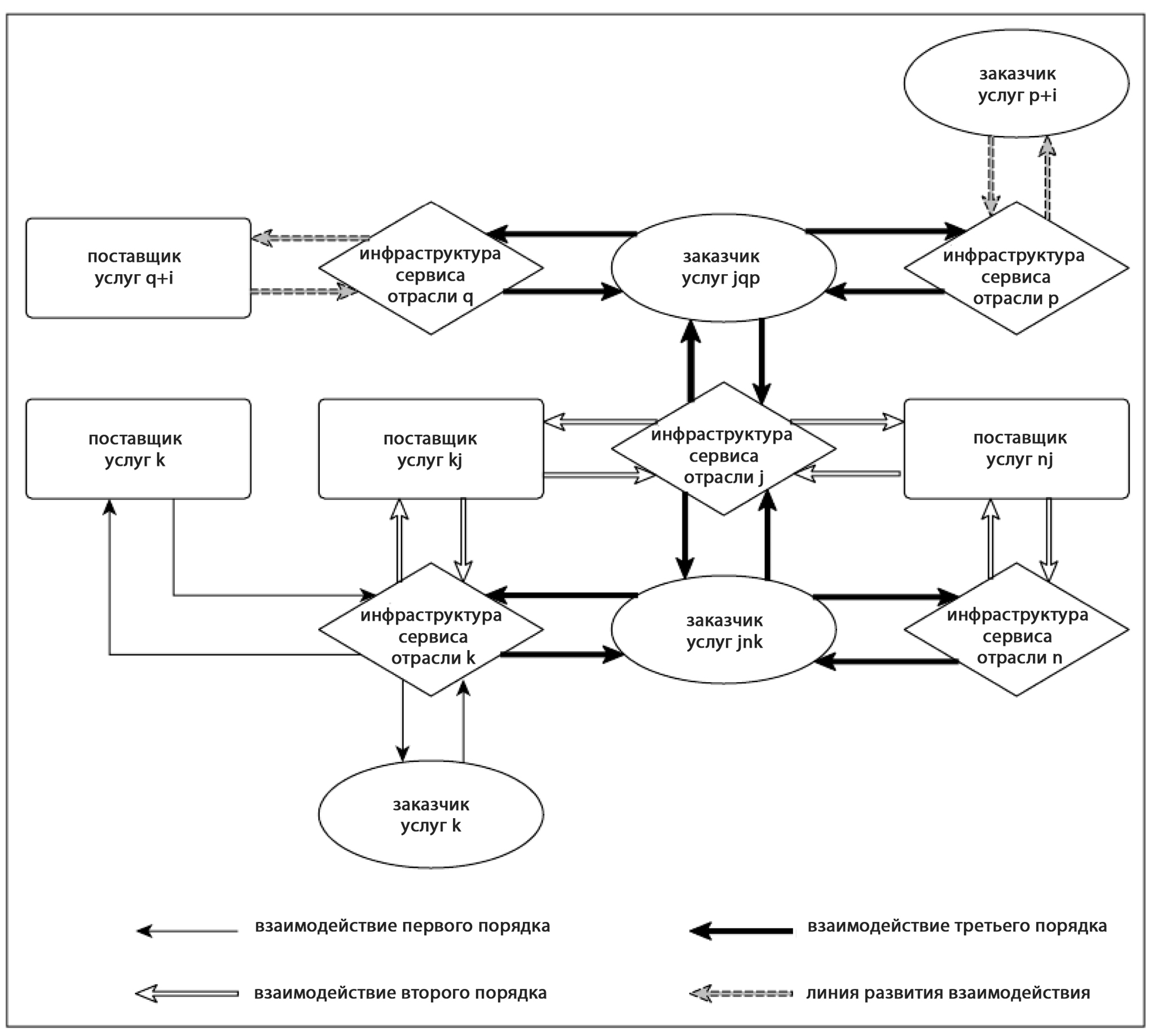
The article is devoted to the analysis of theoretical, methodological and practical aspects of activity in the service infrastructure given the expansion of Internet technologies into the spheres of business and everyday interaction of subjects. The analysis reveals that a unified understanding of activities in the service infrastructure is still lacking, and existing classifications are inadequate for current business needs. In the context of new digital services, this paper focuses on developing tools to harmonize service infrastructure. The academic novelty lies in the author’s methodology harmonizing the activities’ view in the innovative economic field, the service infrastructure, reflecting its activities’ specifics through infrastructure and service components, which was not previously attempted. The theoretical significance of the research consists in eliminating certain gaps in scientific knowledge about the aspects of interaction between customers and service providers in the service infrastructure in digitalization. The practical significance of the conducted research lies in the formation of methodological tools for structuring and systematizing the data set under the specific characteristics of the activities of business entities of the service infrastructure using innovative digital services for statistical observation, analysis and government regulation.
The significance of the research topic can be attributed to the substantial dependence of regional budgets on federal transfers, resulting from the excessive centralization of fiscal revenue in the federal budget. There are no taxes in the local fiscal revenues that stimulate economic growth (VAT, income tax). Regional budgets do not receive VAT, and resource-extracting regions do not receive mineral extraction tax, hydrocarbon revenue tax. The purpose and objectives of the study are to analyze the effectiveness of the fiscal mechanism, the consequences of centralization using the example of budgets and the level of socio-economic development of Moscow and the Siberian Federal District. The research established that the advancement of regions is not possible without redistributing fiscal revenues to regional and local budgets.
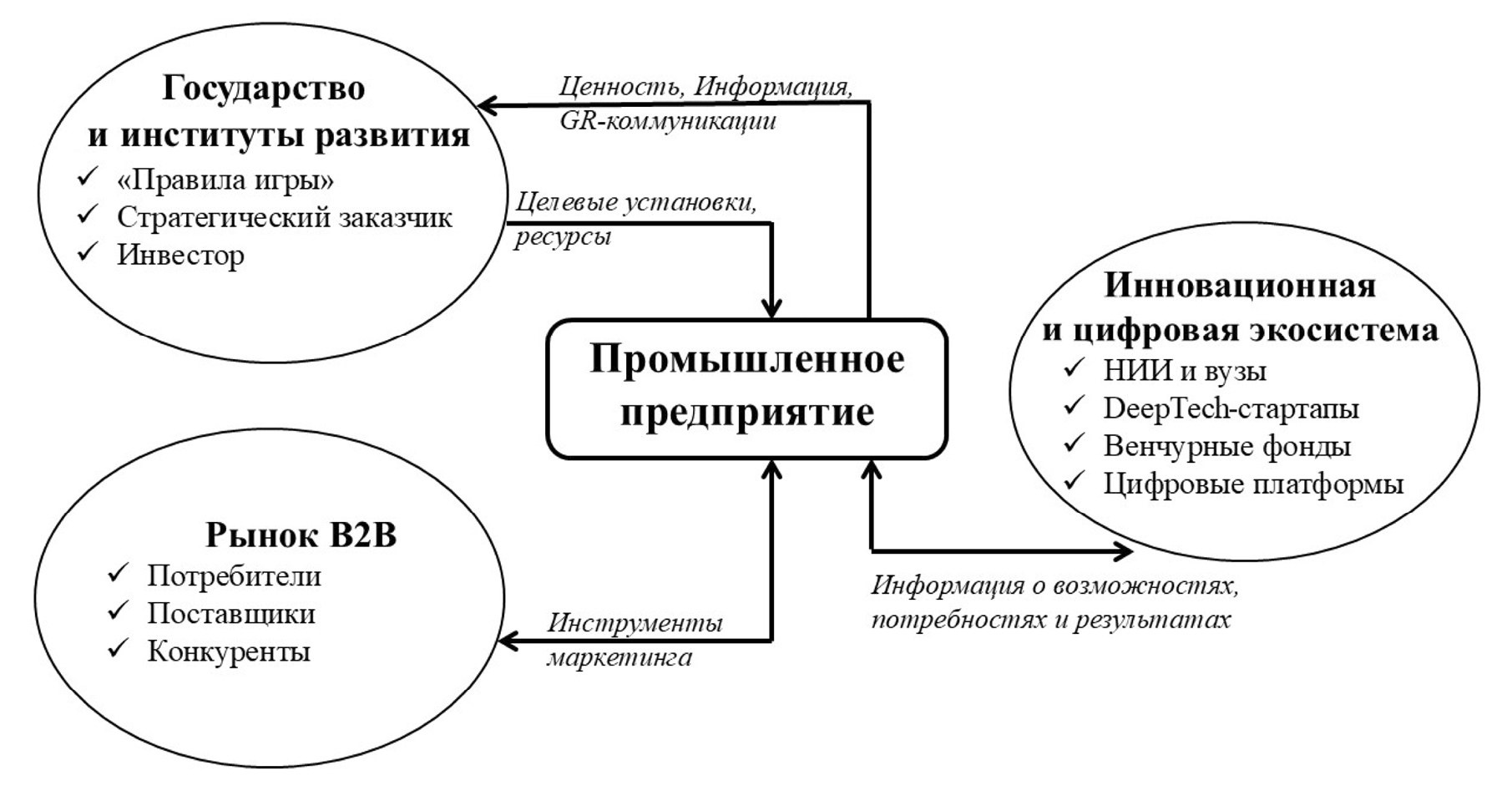
The article explores the transformation of the role and functions of industrial marketing within the context of the contemporary state industrial policy of the Russian Federation. The relevance of this study is driven by the fundamental changes in the economic environment, caused by external sanctions pressure and the strategic course towards achieving technological sovereignty. This study aims to prove that state industrial policy serves not only as an external regulator but also as a systemic catalyst, initiating a fundamental change in industrial marketing, transitioning it from a sales-oriented concept to strategic management. The research materials include legislative and regulatory acts that define the vectors of Russia’s industrial
development, as well as academic works by Russian and foreign authors in the fields of industrial policy and marketing. The methodological framework includes systemic and comparative analysis, content analysis of regulatory documents, and the method of scientific modeling. A significant finding of the study is the definition of the state’s new role in the industrial marketing
system. The study demonstrates that through tools such as demand stimulation, protectionism, and the establishment of target objectives, the state is becoming not an external factor, but a subject of marketing relations, effectively acting as the customer and consumer of a “secondary product”: the nation’s technological development. Consequently, industrial enterprises are compelled to reassess their marketing strategies. The article proposes an original model of the industrial marketing system which, unlike classical approaches, integrates the state as a key stakeholder and reflects the growing importance of innovation infrastructure, including Deep-Tech startups. The author concludes that understanding the state’s new role and the current evolutionary stage of marketing enables industrial enterprises to develop more effective and sustainable strategies within the new economic reality.
The development of digital technologies significantly affects the forms of economic interaction and the organization of business processes, highlighting the need for a theoretical understanding of the nature and role of digital platforms. Their rapid proliferation across various economic sectors requires
a systematization of approaches, a classification of these phenomena, and an analysis of their impact on social and economic structures, including institutional aspects. An analysis of existing theoretical approaches allows the authors to propose a substantiated grouping of digital platforms based on specific classification criteria reflecting technological, economic, and institutional aspects. The authors gained insight into digital platforms by synthesizing and reevaluating views from global literature, considering their historical stages, types, and impact on business models, value chains, and digital economy interactions. This study aims to determine the current strategy of digital platforms. The objectives include determining their role in the development of market mechanisms in the digital economy, analyzing their economic, social, and institutional functions, and studying their impact on entrepreneurial activity and the development of the digital ecosystem. The relevance of this study is determined by the increasing role of digital platforms as key tools for organizing entrepreneurial activity, transforming market structures, and shaping new norms of interaction in active digitalization and the global integration of economic processes.
The paper examines the platform economy, its impact on labor and employment. The principal topics in the literature that cause scientific discussion are highlighted: what platforms are, regulation of platform employment, and issues related to the forms and levels of risk and benefits gained by independent contractors, platforms, employers. Platforms function as a new type of management (new economic architecture), a new form of labor organization, intermediary firms, and dispatchers. The new type of management also changes the nature of labor. Thus, typologies of platform workers are analyzed: by skill levels (professional knowledge, responsibility and authority) and type of products manufactured; by he nature of he work performed and territorial affiliation. Platform type of management, specifically the typology of employment and the management of task execution (algorithmically controlled work environment), distinguishes platform employment from traditional employment. Given the rise of platform employment and the unregulated relations between platforms and contractors (which are described as business-to-business), platforms are providing social support to contractors, including a guaranteed hourly wage, discounts on products, and tips.
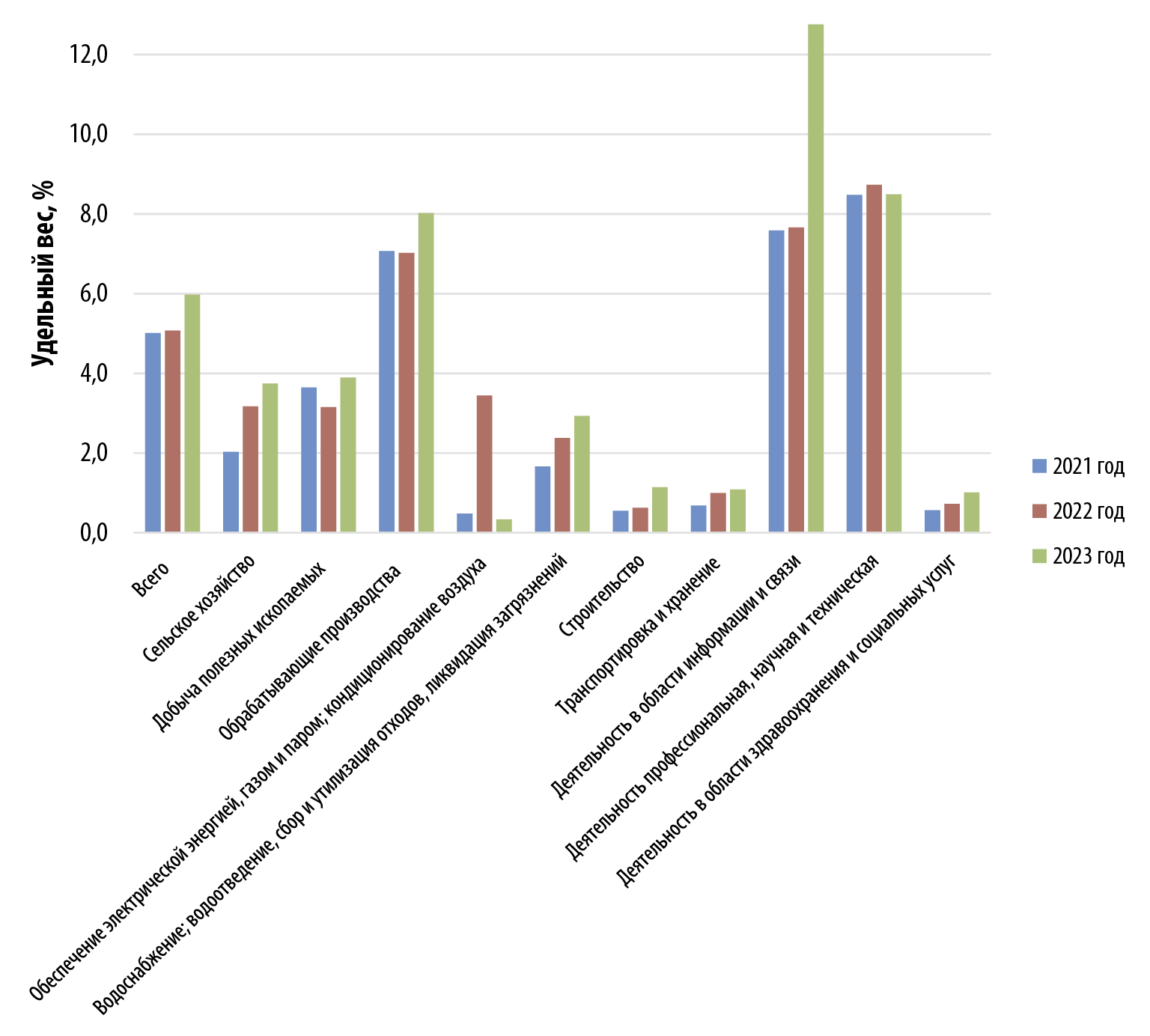
The subject of this study is innovative project activity. The aim of the work is to identify and analyze the characteristics of innovative project activity in various sectors of the national economy. Assessing the level of innovative activity in various sectors, analyzing the indicators of innovative project activity development, and identifying the influencing factors made it possible to achieve this goal. The authors’ approach consists of a comprehensive analysis that allows for a comparison of the characteristics of innovative projects across sectors. The scientific novelty lies in identifying the characteristics and directions of innovative activity in various sectors. The research encompassed the validation of innovative project activity’s importance in current settings, the categorization of industries based on innovation levels, an analysis of organizational activity trends across sectors, and the development of a short-range forecast. The most significant sources of innovation project funding for each industry are identified, and the dynamics of the share of innovative goods, works, and services are analyzed. This investigation reveals the elements that influence the traits of innovation, accounting for industry particularities, and highlights crucial areas and characteristics of innovative project operations in specific economic sectors. The results of this study may be of interest to participants in innovative project activities, as well as representatives of the scientific and educational community.
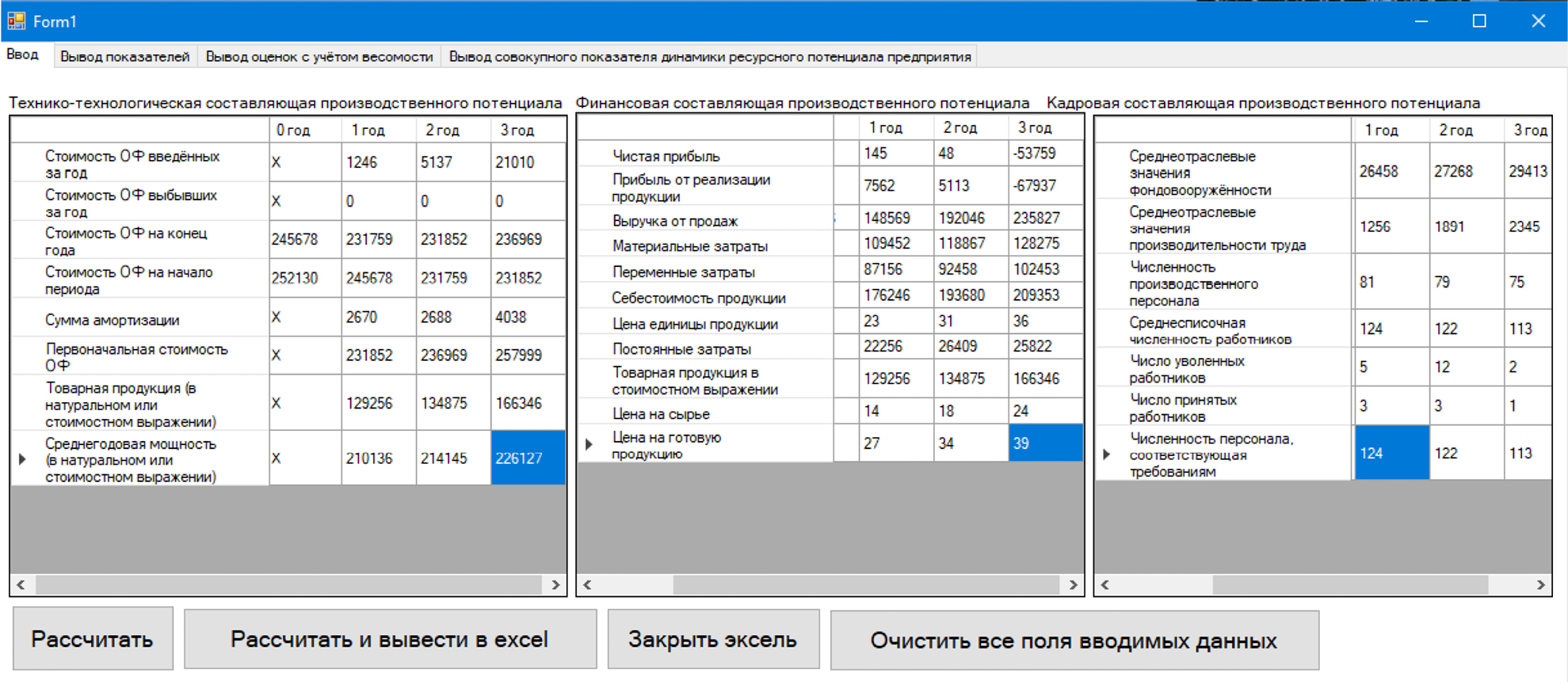
The article examines a methodology for comprehensively assessing an enterprise’s production potential based on a score-rating assessment. The proposed structural model comprises three essential elements: design and engineering, financial aspects, and personnel, with assessment based on weighting factors. In the integrated assessment, indicators are scaled, and subsequently, a generalized indicator representing production potential is derived. An important addition to the methodology is the indicator of the enterprise’s resource potential dynamics, calculated based on the growth rate of key resources. The implementation of the proposed methodology is facilitated by software designed to simplify computations and mitigate the influence of human subjectivity. The program calculates indicators, visualizes results, and exports them to tabular formats. Testing of the application is conducted at an agricultural enterprise, and the results indicate sustained positive growth in production potential.
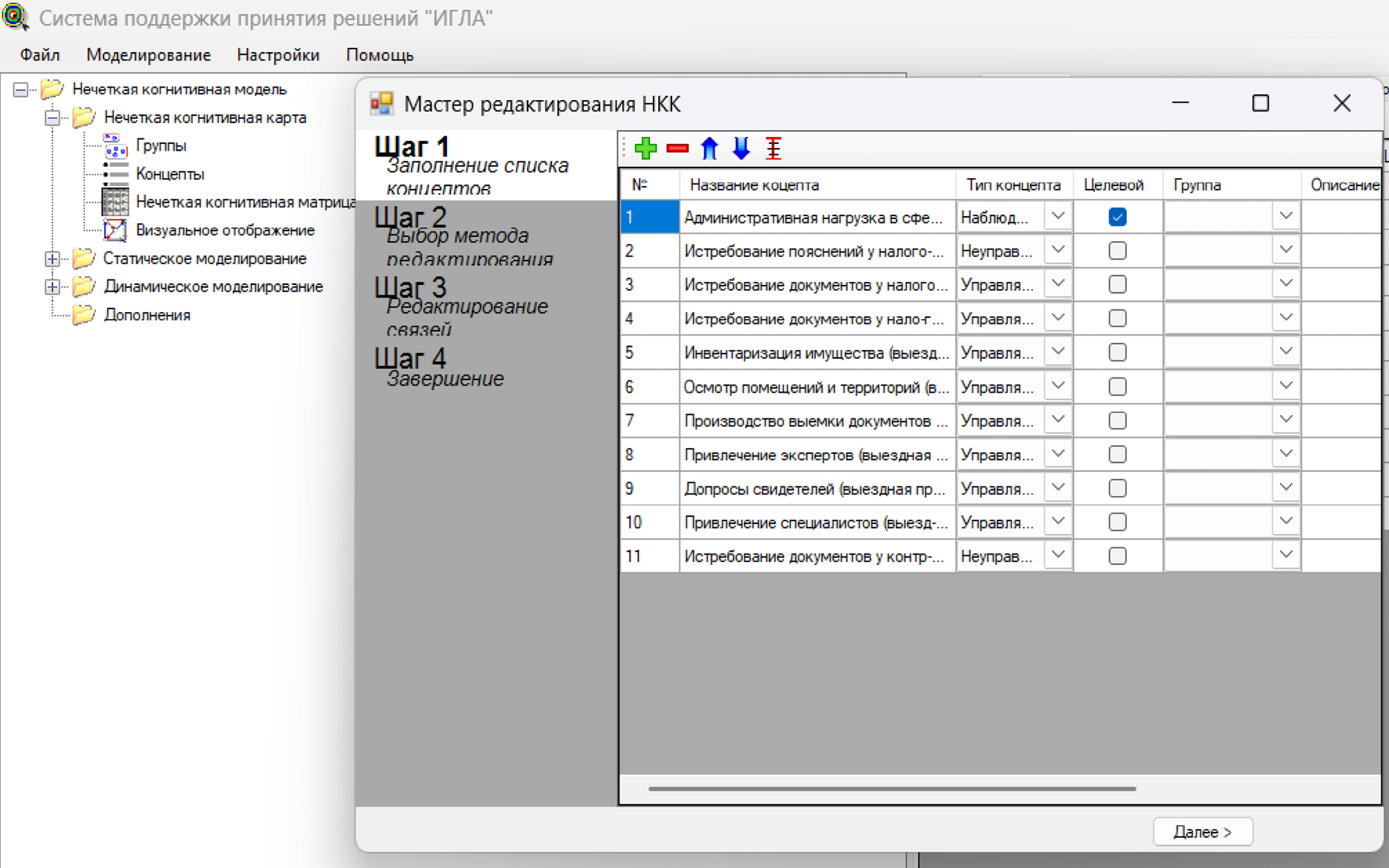
The study examines the administrative burden in taxation imposed by the tax authorities on business entities through tax control measures. The authors analyze the cognitive processes necessary to assess the administrative burden in taxation during control procedures for taxpayers. Using IGLA software, the
authors created a fuzzy cognitive map that considers both objective data (statistical indicators) and subjective factors (the authors’ opinion based on the provisions of national tax legislation). The results of the study can be used to create automated monitoring systems for administrative burden in taxation.
LAW
The article explores the use of the term “integrative” in criminal law. This study seeks to identify the term’s context in scientific and academic literature, differentiating it from related legal terms. The methodology includes analysis (semantic and functional), system and logical approaches. The author examines the current state of the issue, highlighting the lack of consensus among scholars regarding what constitutes an integrative branch of law. The role of terminology in the development of legislative processes and the establishment of a system of legal regulators is analyzed. The study concludes that a clear understanding of the meaning of the term “integrative” is essential to improve the accuracy and validity of theoretical research and the quality of regulatory development.


